Your Guide to Trekking in Nepal
Trekking Permits in Nepal
Nepal has different trekking regions, and the permits you need depend on your chosen route. Some popular trekking areas require a TIMS card, while restricted areas require additional permits from the Department of Immigration. National park or conservation area entry fees may also apply depending on the trail.
The requirements can change according to the route, season and current regulations, so it is always worth checking the latest requirements before your trek.
TIMS Card
The Trekkers' Information Management System (TIMS) helps keep a record of trekkers travelling in Nepal's mountain regions. The Nepal Tourism Board currently lists a number of major trekking routes where a licensed trekking guide and agency-issued TIMS card are required. These include routes in the Everest, Annapurna, Langtang, Manaslu and several other regions.
Your trekking agency can normally arrange the TIMS registration and other required paperwork as part of your trekking preparation.
Conservation Area and National Park Permits
Many of Nepal's most popular trekking routes pass through protected areas. Depending on your itinerary, you may need an entry permit for places such as the Annapurna Conservation Area, Sagarmatha National Park or Langtang National Park.
These fees contribute towards the management and conservation of the protected areas you are visiting.
Restricted Area Permits
Some regions of Nepal have additional restrictions because of their location and environmental or administrative considerations. These include destinations such as Upper Mustang, Manaslu, Upper Dolpo, Tsum Valley, Humla and parts of eastern Nepal.
A special trekking permit is required for designated restricted areas and is issued through the Department of Immigration. The fees vary considerably by region and, in some cases, by season and duration.
For restricted-area treks, permits are generally arranged through a registered trekking agency. The Department of Immigration also provides an online system for trekking permit applications and permit checking.
Tip: Don't wait until you reach the trailhead to check your permits. Your trekking company should confirm all required permits before you leave Kathmandu or your starting point.
Preparing for Your Trek
A successful trek starts well before you reach the mountains. You do not need to be an elite athlete for most trekking routes, but you should prepare for several days of walking on uneven terrain, often with long uphill and downhill sections.
Build Your Fitness Gradually
Start training several weeks before your trek. Walking, hiking, cycling, stair climbing and other cardiovascular exercises can help improve your endurance.
If possible, include regular hikes with some elevation gain. This gives your body a better idea of what to expect on the trail.
You should also spend some time walking with the footwear and daypack you plan to use during your trek. This helps you find any problems before you are several hours into a mountain trail.
Prepare for Altitude
Altitude is one of the most important things to consider when trekking in Nepal.
Many popular routes take you above 3,000 metres, where your body needs time to adjust to the thinner air. A well-planned itinerary should allow enough time for gradual ascent and acclimatisation.
Do not rush simply to reach the next destination.
If you experience symptoms such as a persistent headache, unusual tiredness, dizziness, nausea or difficulty breathing, tell your guide immediately. Altitude-related problems can become serious if symptoms are ignored.
Get Travel Insurance
Make sure your travel insurance covers the activities and altitude involved in your trek.
For higher-altitude treks, check the policy carefully for trekking altitude limits, emergency evacuation and helicopter rescue. Do not assume that a standard travel insurance policy automatically covers every trekking situation.
Keep a digital and printed copy of your insurance details with you.
Pack for the Trail
You do not need to take everything you own to the Himalayas. Pack practical clothing that can be layered as the temperature changes.
Your exact packing list depends on the season, route and altitude, but useful essentials generally include:
- Comfortable trekking boots
- Warm and lightweight layers
- Waterproof jacket and trousers
- Trekking trousers and comfortable clothing
- Warm hat, gloves and sun hat
- Sunglasses and sunscreen
- Water bottle or hydration system
- Personal first-aid supplies
- Headlamp with spare batteries
- Personal medications
- Toiletries and basic hygiene items
- Power bank and charging accessories
- Passport and permit copies
- Travel insurance information
For colder and higher routes, you may also need a warmer sleeping bag, down jacket and additional cold-weather equipment.
Pack light, but don't leave behind the things you genuinely need.
Travel Tips for Trekking in Nepal
Choose the Right Season
Nepal's trekking conditions change significantly throughout the year.
Spring brings warmer temperatures, blooming rhododendrons and generally good trekking conditions.
Autumn is popular for clear mountain views and stable weather.
Winter can be beautiful, but higher routes become considerably colder and some passes may be affected by snow.
Monsoon brings rain, cloud and muddy trails in many parts of Nepal. However, some areas, particularly rain-shadow regions such as Mustang and parts of Dolpo, can still be suitable for trekking.
The best season depends on the particular route, not simply the calendar.
Take Your Time
One of the biggest mistakes trekkers make is trying to walk too far too quickly.
Mountain trekking is different from walking at sea level. Your pace should allow you to enjoy the trail and give your body time to adjust to altitude.
A slower day can sometimes make the entire trek more enjoyable.
Listen to Your Guide
Your guide knows the trail, weather patterns, villages and practical challenges of the route.
If your guide recommends changing the walking pace, taking an additional rest day or adjusting the itinerary because of weather or altitude, take the advice seriously.
A good trek is not about reaching the destination at any cost. It is about reaching it safely.
Keep Your Documents Safe
Carry your passport, permits, insurance information and other important documents securely.
Keep digital copies of important documents on your phone or in secure cloud storage as an additional backup.
For restricted-area trekking, make sure your permit matches your approved route and itinerary. Nepal Tourism Board guidance states that trekking outside the specified permitted route can be considered a violation.
Bring Enough Cash
ATMs and card facilities are not available everywhere in the mountains.
It is sensible to carry enough Nepalese rupees for small purchases, snacks, drinks, charging, hot showers and other personal expenses.
The amount you need depends on your route and how many services are included in your trekking package.
Stay Hydrated
Drink water regularly throughout the day, particularly at higher elevations.
Avoid waiting until you feel thirsty before drinking. Carry enough water for the day's walk and use safe drinking-water options recommended by your guide.
Water purification tablets or a suitable filtration system can also be useful on longer or more remote treks.
Respect Local Culture
Nepal's trekking trails pass through communities with their own traditions, languages and customs.
Take the time to respect local culture. Ask before taking photographs of people, dress appropriately when visiting religious sites and follow local customs.
A friendly "Namaste" goes a long way.
Leave No Trace
The Himalayas are beautiful because of their natural environment, and every trekker has a role in keeping them that way.
Carry your rubbish with you, avoid unnecessary plastic, use designated toilets and do not leave waste along the trail.
Respect wildlife, vegetation, water sources and local communities.
Take memories home, not pieces of the mountain.
Before You Leave for the Mountains
Before starting your trek, make sure you have:
- Confirmed your trekking route and itinerary
- Checked the required permits and TIMS requirements
- Arranged a licensed guide where required
- Purchased suitable travel insurance
- Prepared your trekking equipment
- Checked the expected weather conditions
- Prepared for altitude and acclimatisation
- Carried copies of important documents
- Packed enough personal medication and essentials
- Arranged transport to and from the trailhead
Your trekking agency should also brief you about the route, accommodation, transportation, permits, guide, porter arrangements and any route-specific requirements before departure.
Ready for Your Himalayan Adventure?
Every trek in Nepal is different. Everest, Annapurna, Manaslu, Langtang, Mustang and the quieter trails each have their own character, challenges and rewards.
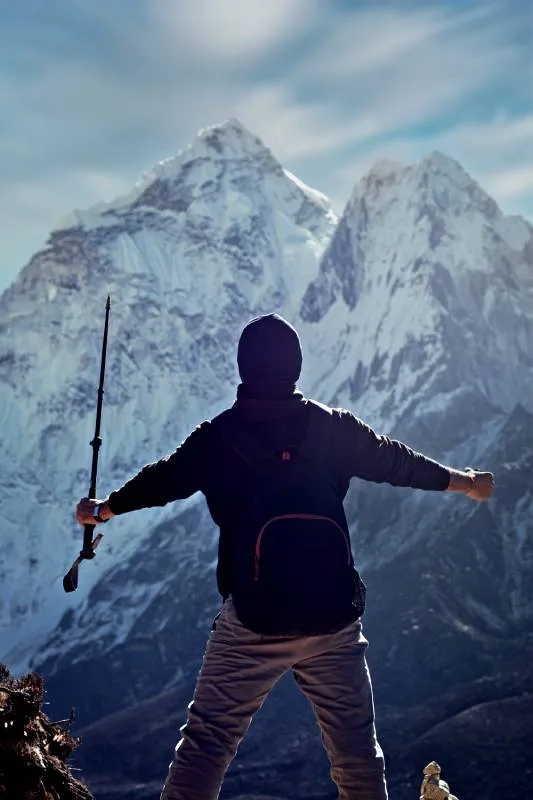
The right preparation allows you to spend less time worrying about logistics and more time enjoying the trail — from your first step out of the village to the moment you finally stand beneath the Himalayan peaks.
Not sure which trek is right for you? Talk to our trekking team. We can help you choose a route based on your time, experience, fitness and the kind of Himalayan experience you are looking for.