Plan Your Journey Through Nepal
When to Visit Nepal
Nepal has five seasons: spring, summer, monsoon, autumn and winter. Conditions can vary dramatically between the southern plains, Kathmandu Valley and the high mountains.
Spring — March to May
Spring brings warmer temperatures, blooming rhododendrons and generally good conditions for trekking and sightseeing.
Summer & Monsoon — June to September
The monsoon brings most of Nepal's annual rainfall. Rain can affect roads, flights and trekking conditions, although some destinations, including parts of Mustang, lie in the Himalayan rain shadow and remain considerably drier.
Autumn — October to November
Clearer skies and comfortable conditions make autumn a popular period for trekking, mountain views and touring Nepal.
Winter — December to February
Lower elevations can be pleasant during the day, while mornings and evenings become cold. Higher trekking areas can experience freezing temperatures and snow.
Tip: Nepal can be visited throughout the year, but the best time depends heavily on where you want to go and what you want to do.
Things to Do in Nepal
Nepal is much more than a destination for mountain trekking. Your trip can combine several different experiences.
Trekking & Hiking
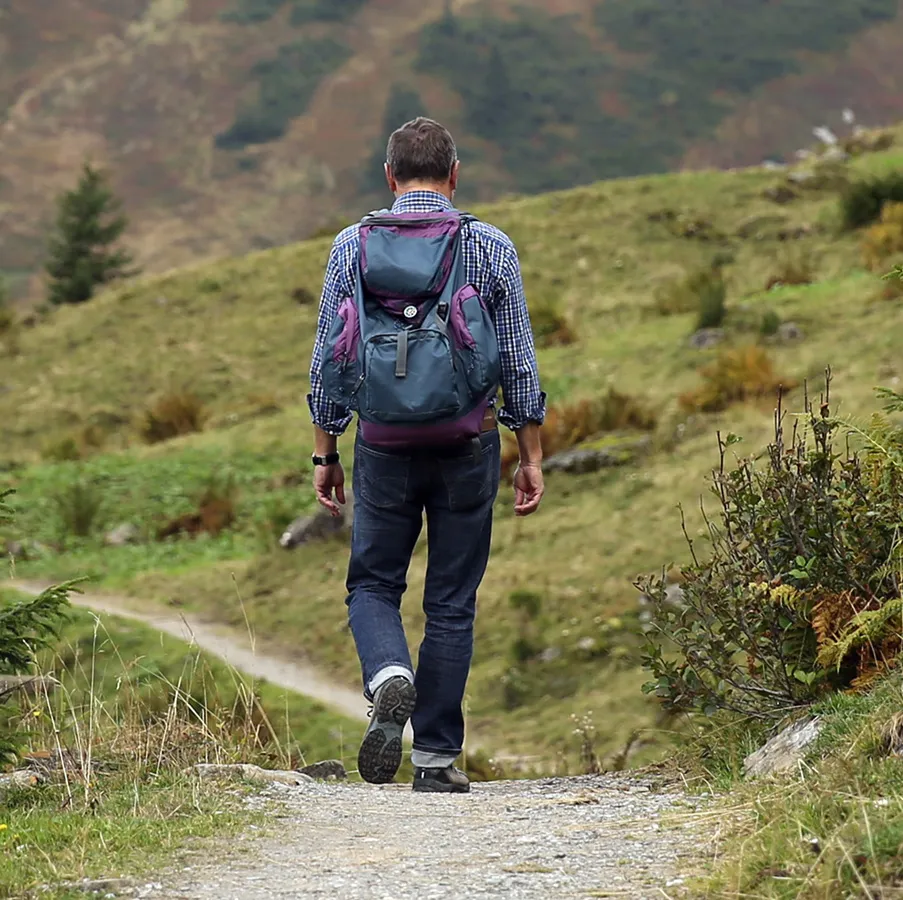
Walk through mountain villages, forests, river valleys and high Himalayan landscapes. Popular trekking regions include Everest, Annapurna, Langtang, Mustang, Manaslu and other less-travelled areas.
Culture & Heritage
Explore historic cities, ancient temples, Buddhist stupas, traditional courtyards and UNESCO World Heritage sites throughout Kathmandu Valley and beyond.
Wildlife & Safari
Head south to explore Nepal's national parks and wildlife areas. Chitwan is particularly known for its forests, grasslands and wildlife, while other parks offer different landscapes and experiences.
Adventure
Depending on the destination and season, you can experience rafting, mountain biking, paragliding, canyoning, ziplining and other outdoor activities.
Spiritual Journeys
Visit important Hindu and Buddhist sites including Pashupatinath, Boudhanath, Swayambhunath, Lumbini and Muktinath.
Food & Local Life
Try traditional Nepali dishes, visit local markets and experience everyday life in mountain villages, towns and cities.
Getting Around Nepal
There are several ways to travel around Nepal, depending on your route, budget and available time.
Domestic flights are useful when travelling between major destinations or reaching remote mountain areas.
Private vehicles provide greater flexibility and are particularly useful for multi-stop journeys.
Tourist buses connect many of the country's major tourist destinations.
Local buses and shared vehicles are widely used and can be a more economical way to travel, although journeys can take longer.
For mountain regions, some destinations require a combination of road travel, flights and walking.
What to Pack for Nepal
What you pack depends greatly on your destination and season.
For a general Nepal holiday, consider bringing:
- Comfortable walking shoes
- Lightweight clothing
- A warm layer or jacket
- Rain protection
- Sun protection
- Reusable water bottle
- Personal medication
- Small daypack
- Power adapter
- Copies of important travel documents
For trekking, your packing list will need to be adapted to the altitude, season and length of the trek.
Responsible Travel in Nepal
Travelling responsibly helps protect Nepal's natural environment and supports the communities you visit.
Choose locally owned accommodation and services where possible, respect local customs, avoid unnecessary waste and carry your rubbish with you in environmentally sensitive areas.
The Nepal Tourism Board also recommends using designated routes and campsites, supporting local guides and porters, reducing firewood use and respecting local traditions.
Travel with respect
Nepal's temples, monasteries, villages and homes are part of living communities rather than simply tourist attractions. Dress appropriately at religious sites, ask before photographing people and follow local customs when visiting sacred places.