
Login
Photography & Nature • ⏱️ 2 min read • Reviewed: Oct 2026

What Is a Himalayan Rain Shadow in Photography?

💡
Quick Definition

A Himalayan rain shadow in photography provides a distinct visual environment characterized by bone-dry atmosphere, extreme high-contrast textures, ochre earth tones, and crystal-clear night skies for astrophotography.

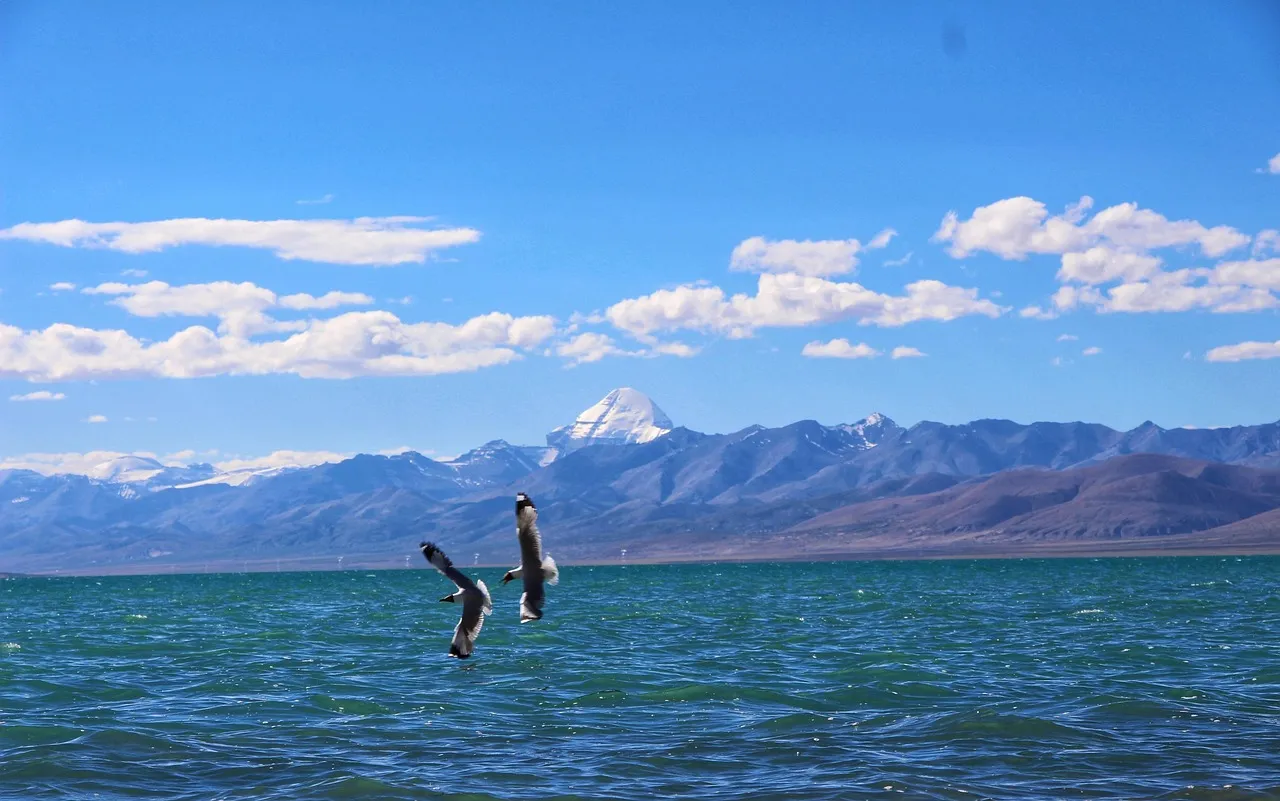
In landscape and travel photography, shooting within a Himalayan rain shadow—such as in the trans-Himalayan valleys of Upper Mustang, Manang, and Upper Dolpo—presents a visual aesthetic radically different from the rest of lush, moisture-rich Nepal. Because the massive Greater Himalayan crest intercepts and blocks the southern summer monsoon, the rain-shadow environment is defined by exceptionally low humidity, minimal airborne water vapor, intense solar clarity, and a striking desert palette of ochre, burnt sienna, and chalk-white cliffs.

Visual Characteristics of Rain-Shadow Photography

Photographers exploring rain-shadow valleys encounter unique visual and optical properties:

  • Stark tonal contrast and razor-sharp textures: Without humid atmospheric haze softening distant ridges, geological details—such as ancient wind-eroded cliff flutes, deep river canyons, and multi-hued sedimentary strata—render with razor-sharp edge contrast and intense micro-detail across wide-angle compositions.
  • Earth tones against cobalt skies: The vibrant juxtaposition of ancient earthen mud-brick chortens and mustard-tinted canyon walls set against intense, high-altitude deep cobalt skies creates dramatic natural color separation that requires minimal saturation adjustments in post-processing.
  • Summer monsoon shooting window: While the rest of South Asia is drenched in heavy monsoon downpours between June and August, rain-shadow regions remain dry and sun-drenched, offering golden light and clear mountain vistas when ordinary trekking trails are cloud-covered.

Astrophotography and Dark Sky Captures

The combination of extreme elevation (over 3,500m), virtually zero artificial light pollution, and bone-dry atmosphere makes trans-Himalayan rain-shadow regions some of the finest astrophotography destinations on the planet. Setting up a wide-aperture lens on a moonless night in villages like Lo Manthang or Shey Phoksundo reveals the Milky Way core arching in breathtaking brilliance directly over ancient medieval fortress walls and silent Buddhist stupas.

Technical Camera Considerations

Shooting in arid mountain valleys requires specific precautions: the dry, windy conditions in the Kali Gandaki valley generate fine airborne dust; always power off your camera before swapping lenses, shield your lens mount against the wind, and keep a rocket blower and microfibre lens cloth readily accessible in your daypack.

Editorial Verification & Quality Standard

This article was researched, composed, and fact-checked by the Prawaha Editorial Team in accordance with reliable Nepalese tourism and conservation authorities. High-altitude safety information adheres to established Himalayan Rescue Association (HRA) and wilderness medicine guidelines.
Reference Records: Sources: International Dark-Sky Association (IDA), Trans-Himalayan Photography Monographs, ICIMOD Arid Zone Field Surveys.
← Back to Travel Glossary Index
Share this reference:
Experience It in Person

Explore Related Tours & Itineraries

Handcrafted journeys featuring the destinations, terrain, or cultural experiences explained in this guide.

Mount Kailash Manasarovar Yatra
Pilgrimage
Tibet

Mount Kailash Manasarovar Yatra

Known as the Roof of the World, Tibet has long captured the imagination of travellers with its immense landscapes, ancient traditions and powerful spiritual heritage.High above the rest of Asia, the Tibetan Plateau stretches across a vast landscape of mountains, valleys, lakes and remote wilderness. Its high-altitude environment supports unique wildlife and feeds some of Asia's great rivers, making the region important far beyond its borders.Tibet is also deeply connected to Buddhist culture and pilgrimage. Ancient monasteries, prayer flags and centuries-old traditions can be found throughout the region, while Mount Kailash remains one of the most revered pilgrimage sites for several religions.Beyond its landscapes and spiritual significance, Tibet is shaped by the people who call this challenging environment home. Their traditions, resilience and way of life are an important part of what makes travelling through the region so memorable.For travellers seeking something beyond the usual Himalayan routes, Tibet offers a remarkable combination of high-altitude wilderness, ancient culture, spirituality and extraordinary mountain scenery.

12 Days / 11 Nts • 🏔️ 4,800m Price on Request
Details →
Annapurna Region
Mountain Journeys Strenuous
Annapurna Region

Annapurna Circuit Experience

The Annapurna Circuit is one of Nepal’s most renowned long-distance journey, taking you on a remarkable path around the Annapurna mountain range. The route passes through an extraordinary variety of landscapes, from green subtropical valleys and terraced farmland to alpine meadows and the stark, high-altitude terrain of the Himalayas. Along the way, trekkers are treated to views of Annapurna, Dhaulagiri, Machapuchare and other impressive peaks.The trek is just as rewarding for its cultural encounters. The trail passes through villages inhabited by Gurung, Magar, Thakali and other communities, each with its own traditions, architecture and way of life. Spending time in these mountain settlements adds a cultural dimension to the spectacular scenery.One of the major challenges is crossing Thorong La Pass at approximately 5,416 metres. Reaching the pass is a significant achievement and one of the defining moments of the circuit. The changing altitude and terrain mean that good preparation, sensible pacing and proper acclimatisation are important.With dramatic landscapes, diverse mountain cultures and the challenge of crossing one of the world's highest trekking passes, the Annapurna Circuit offers an unforgettable way to experience the Himalayan region.

14 Days / 13 Nts • 🏔️ 4,600m Price on Request
Details →
In-Depth Travel Resources

Helpful Travel Guides & Regulations

Practical information, official permits, equipment checklists, and ethical guidelines for your Nepal trip.

Related Glossary Topics

Deepen your travel knowledge with interconnected mountain and cultural concepts.

Plan Your Custom Journey

Ready to explore Nepal with local experts?

Prawaha Tours designs private and small-group journeys tailored to your fitness level, schedule, and interests—with verified safety protocols and licensed local guides.

Compare Packages (0/3):