
Login
Destinations & Geography • ⏱️ 2 min read • Reviewed: Oct 2026

What Is a Mountain Village?

💡
Quick Definition

A mountain village in Nepal is a rural alpine settlement whose architecture, terraced agriculture, stone pathways, and community life are adapted to steep, high-altitude Himalayan terrain.

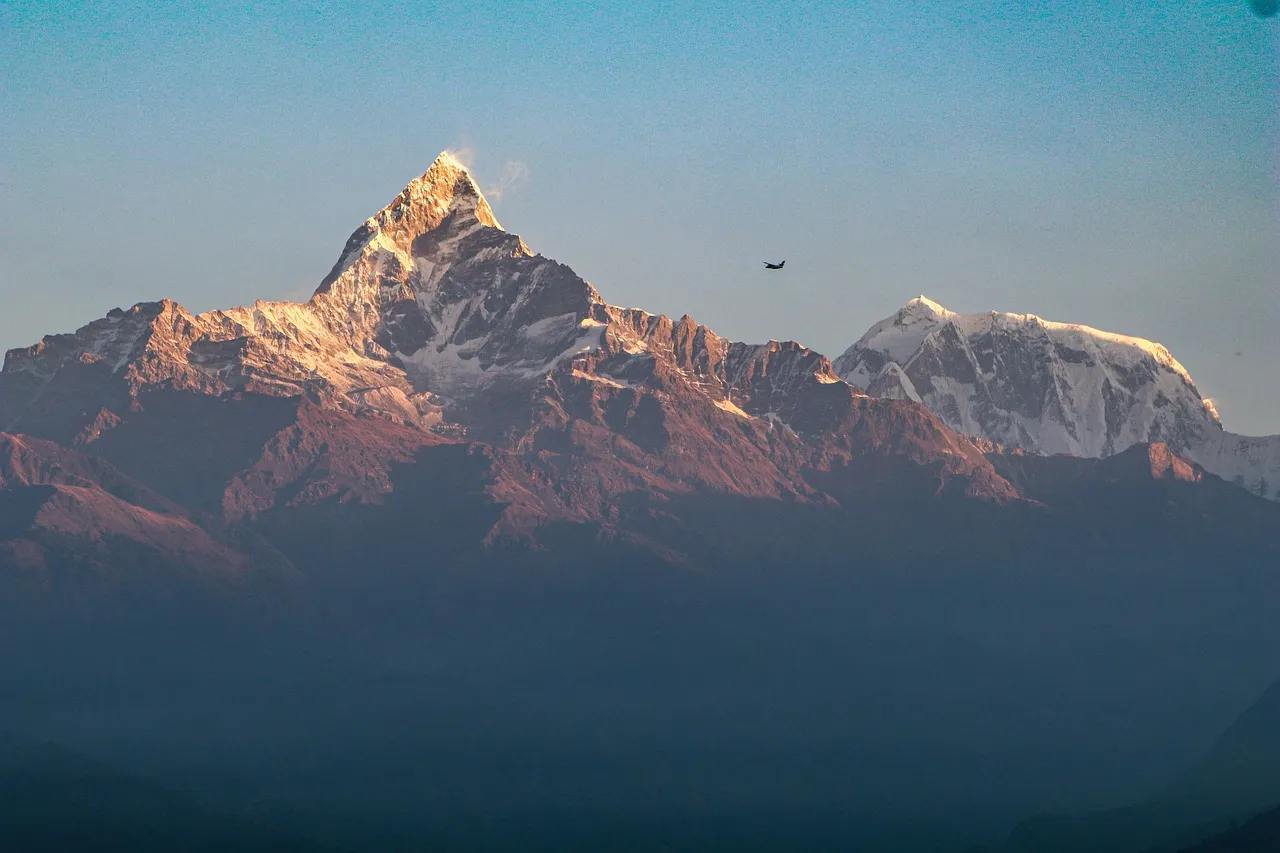
A mountain village in Nepal is a clustered rural settlement situated high in the Himalayan foothills or alpine valleys, where daily human life, architecture, and social customs are shaped by steep topography, seasonal weather extremes, and roadless isolation. Ranging from subtropical Gurung hamlets at 1,500 metres to high-altitude Sherpa settlements above 4,000 metres, these communities represent models of environmental resilience, self-sufficiency, and indigenous architectural ingenuity.

Architecture Shaped by the Land

Himalayan mountain villages are constructed almost entirely from materials gathered directly from the surrounding landscape:

  • Locally quarried stone masonry: Dry-stacked or clay-mortared granite, schist, and limestone walls provide exceptional insulation against biting alpine winds.
  • Slate and timber shingle roofs: Hand-cut grey slate tiles or cedar shakes weighed down with heavy river cobbles to withstand fierce mountain gales.
  • Multi-functional floor plans: Traditional homes often feature a ground floor for sheltering livestock during freezing winter nights (providing natural radiant underfloor warmth), a middle floor for family sleeping, and an airy upper loft for storing harvested grains, dried maize, and dried yak cheese (chhurpi).

Livelihoods and Transhumance

Survival in a mountain village requires complex agro-pastoral adaptations:

  • Carved agricultural terraces: Farmers sculpt vertical hillsides into horizontal stepped terraces to prevent soil erosion, cultivating hardy crops like buckwheat, barley, potatoes, and beans.
  • Pastoral transhumance: Herders practice seasonal livestock migration, grazing yaks, dzo (cow-yak hybrids), sheep, and goats on high alpine summer pastures (kharkas) above 4,500m during the monsoon, and returning to sheltered lower valleys before winter blizzards arrive.

Social Fabric and Hospitality

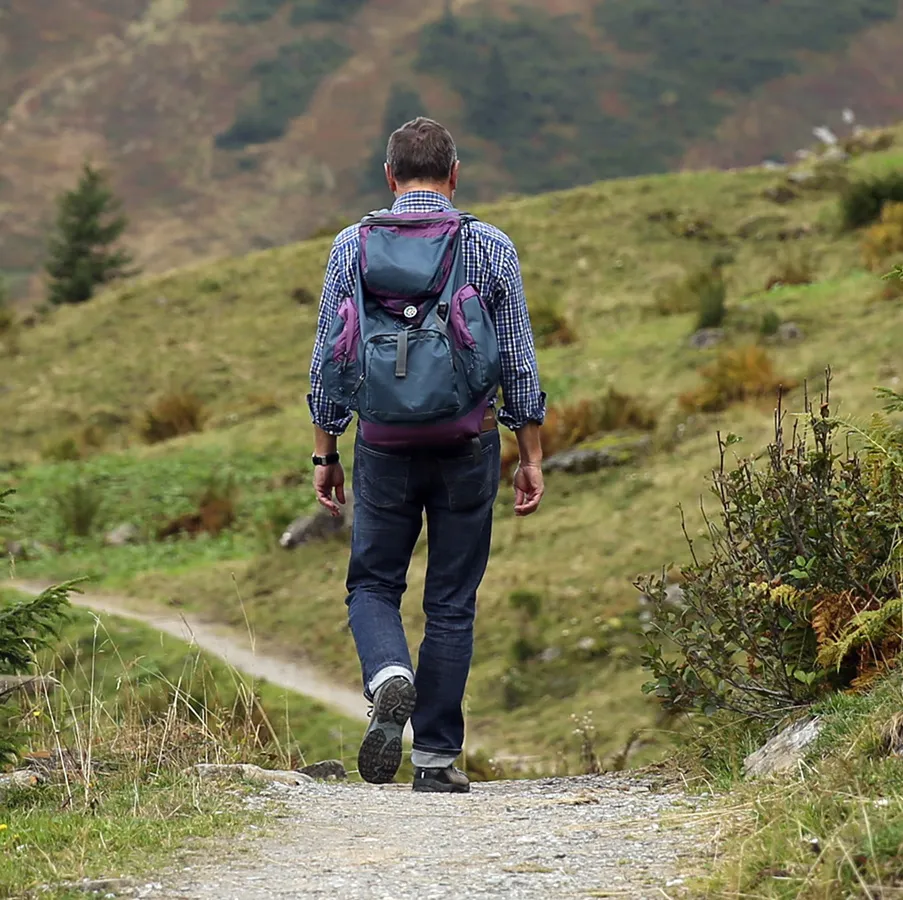
The survival of mountain villages relies on mutual community assistance (known as Parma in Nepali—a labor exchange system where neighbors collectively plant and harvest each other’s fields). As teahouse trekking expanded, this innate tradition of communal cooperation transitioned into warm mountain hospitality. Trekkers are welcomed into village courtyards not as transactional customers, but as honored guests traversing the communal paths of the Himalayas.

Editorial Verification & Quality Standard

This article was researched, composed, and fact-checked by the Prawaha Editorial Team in accordance with reliable Nepalese tourism and conservation authorities. High-altitude safety information adheres to established Himalayan Rescue Association (HRA) and wilderness medicine guidelines.
Reference Records: Sources: Christoph von Fürer-Haimendorf "Himalayan Traders", ICIMOD Rural Livelihoods Case Studies, Tribhuvan University Geography Faculty.
← Back to Travel Glossary Index
Share this reference:
Experience It in Person

Explore Related Tours & Itineraries

Handcrafted journeys featuring the destinations, terrain, or cultural experiences explained in this guide.

Annapurna Region
Mountain Journeys Strenuous
Annapurna Region

Annapurna Circuit Experience

The Annapurna Circuit is one of Nepal’s most renowned long-distance journey, taking you on a remarkable path around the Annapurna mountain range. The route passes through an extraordinary variety of landscapes, from green subtropical valleys and terraced farmland to alpine meadows and the stark, high-altitude terrain of the Himalayas. Along the way, trekkers are treated to views of Annapurna, Dhaulagiri, Machapuchare and other impressive peaks.The trek is just as rewarding for its cultural encounters. The trail passes through villages inhabited by Gurung, Magar, Thakali and other communities, each with its own traditions, architecture and way of life. Spending time in these mountain settlements adds a cultural dimension to the spectacular scenery.One of the major challenges is crossing Thorong La Pass at approximately 5,416 metres. Reaching the pass is a significant achievement and one of the defining moments of the circuit. The changing altitude and terrain mean that good preparation, sensible pacing and proper acclimatisation are important.With dramatic landscapes, diverse mountain cultures and the challenge of crossing one of the world's highest trekking passes, the Annapurna Circuit offers an unforgettable way to experience the Himalayan region.

14 Days / 13 Nts • 🏔️ 4,600m Price on Request
Details →
Annapurna Region
Mountain Journeys Strenuous
Annapurna Region

Annapurna Base Camp Journey

The Annapurna Base Camp Journey is one of Nepal's most rewarding Himalayan journeys, combining dramatic mountain scenery with the warmth and culture of mountain communities.The adventure usually begins in Pokhara before heading towards the foothills of the Annapurna range. The trail winds through traditional villages, terraced farmland, lush forests and peaceful rivers. As you gain altitude, the landscape gradually changes, revealing waterfalls, rocky trails, alpine meadows and increasingly impressive views of the surrounding mountains.Reaching Annapurna Base Camp at approximately 4,130 metres (13,549 feet) is the highlight of the journey. Surrounded by towering Himalayan peaks, you get an unforgettable close-up view of Annapurna South, Annapurna I and Machhapuchhare (Fishtail). Standing in the natural amphitheatre of the Annapurna Sanctuary is a moment many trekkers remember long after returning home.The journey is about more than mountain views. Along the trail, you pass through villages inhabited by Gurung and Magar communities, where traditional houses, local teahouses and prayer flags reflect the region's rich cultural heritage. Meeting local people and experiencing their everyday way of life adds another dimension to the experience.With a combination of varied landscapes, welcoming mountain communities and spectacular Himalayan scenery, the Annapurna Base Camp Journey offers an experience that feels both adventurous and deeply connected to Nepal.BEST SEASON FOR THIS JOURNEY:The best season for the Annapurna Base Camp (ABC) experience in Nepal is during the autumn (September to November) and the spring (March to May). Both autumn and spring are popular seasons for the Annapurna Base Camp Journey, and you can expect to encounter fellow nature lovers along the trail.

12 Days / 11 Nts • 🏔️ 4,130m Price on Request
Details →
Prawaha Tours & Travels (P) Ltd
A Day Tour Easy
Kathmandu

Nagarkot Hiking

Escape the busy streets of Kathmandu and spend a day walking through the peaceful hills around Nagarkot. This popular hilltop destination is known for its fresh mountain air, countryside scenery and wide Himalayan views. The hike is a good choice for travellers who want to enjoy Nepal’s landscapes without taking a long trekking trip.The trail begins around Sankhu and passes through rice fields, forests, meadows and traditional villages before reaching Nagarkot. Along the way, you can experience rural life and interact with local communities. On a clear day, the hilltop offers views towards several Himalayan ranges, including Langtang, Ganesh Himal, Manaslu and Gaurishankar.In the evening, enjoy the sunset from Nagarkot View Tower before returning to Kathmandu by private vehicle.

1 Days / 0 Nts Price on Request
Details →
In-Depth Travel Resources

Helpful Travel Guides & Regulations

Practical information, official permits, equipment checklists, and ethical guidelines for your Nepal trip.

Related Glossary Topics

Deepen your travel knowledge with interconnected mountain and cultural concepts.

Plan Your Custom Journey

Ready to explore Nepal with local experts?

Prawaha Tours designs private and small-group journeys tailored to your fitness level, schedule, and interests—with verified safety protocols and licensed local guides.

Compare Packages (0/3):