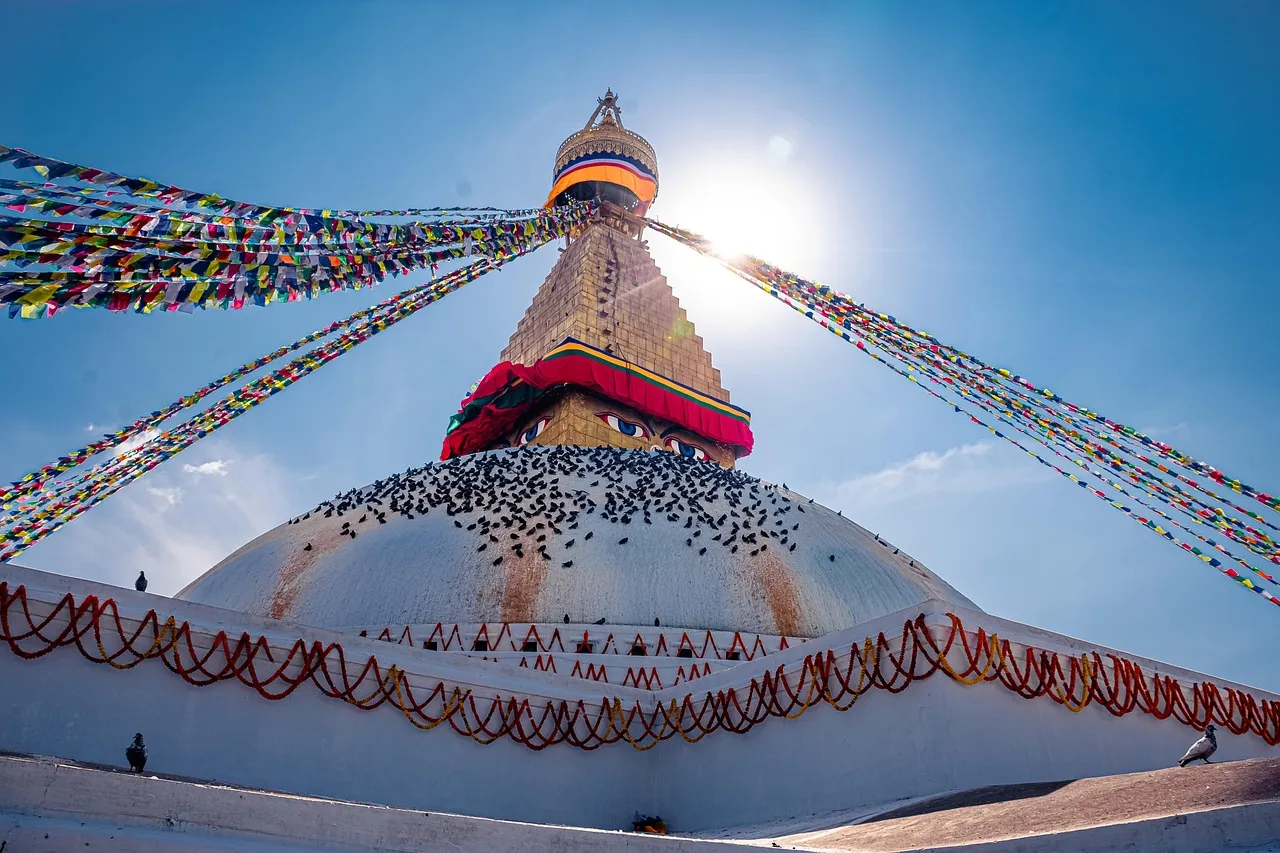
What Is a Bahā in Kathmandu Valley?
A Bahā is a formally consecrated Newar Vajrayana Buddhist monastic settlement (vihara) with an unbroken lineage of ordained Shakya and Vajracharya householder monks serving its principal Kwapa-dyo shrine.
While the colloquial term Bahal refers broadly to the physical quadrangular courtyard in everyday Nepali parlance, a Bahā (correctly written with the nasal vowel ā in Nepal Bhasa) represents the sacred, institutional Vajrayana Buddhist monastery (vihara) of the Kathmandu Valley. Unlike modern celibate monastic orders, the Bahās of Patan, Kathmandu, and Bhaktapur represent an extraordinary historical phenomenon: the home of a married, hereditary priesthood composed of the Vajracharya (esoteric master priests) and Shakya (monastic artisans and goldsmiths) castes.
The Spiritual Hierarchy: Bahā vs Bahī
In Newar Buddhist ecclesiastical architecture, sacred viharas are strictly divided into two distinct historical categories:
- Bahā (Main Sacred Vihara): Typically built on flat urban ground. It features a consecrated Kwapa-dyo (non-tantric patron deity such as Shakyamuni Buddha or Akshobhya) on the ground floor, and an upper secret chamber (Agam) restricted exclusively to initiated Vajracharyas for secret esoteric Tantric rites. Bahā lineages are hereditary; every young Shakya or Vajracharya boy must undergo the Bare Chhwayegu (temporary novitiate monkhood ritual) here before taking on householder duties.
- Bahī (Branch or Ancient Vihara): Historically older, situated on higher ground or city peripheries, Bahīs were originally intended for non-hereditary, celibate monks or ascetics. Their architecture features upper gallery walkways for solitary contemplation and lacks the secret upper Agam chamber of a Bahā.
Famous Bahās of Kathmandu and Patan
Over 300 Bahās and Bahīs survive in the Kathmandu Valley, maintaining vibrant religious lineages dating back to the Licchavi and Malla dynasties:
- Kwa Bahā (The Golden Temple / Hiranyavarna Mahavihara) in Patan: World-renowned for its three-roofed gilded pagoda, silver and brass Buddha images, and daily rituals conducted by a prepubescent boy priest known as the Bapacha.
- Uku Bahā (Rudravarna Mahavihara) in Patan: One of the oldest monasteries, filled with ancient metalwork, bronze lions, and centuries-old stone chaityas.
- Itum Bahā in Kathmandu: One of the largest historic courtyards in old Kathmandu, famous for preserved 14th-century wood carvings and folklore of the demon Guru Mapa.
Understanding the Bahā as a living, hereditary Buddhist monastery deepens travellers’ appreciation of Newar civilization’s enduring devotion and spiritual lineage.
This article was researched, composed, and fact-checked by the Prawaha Editorial Team in accordance with reliable Nepalese tourism and conservation authorities. High-altitude safety information adheres to established Himalayan Rescue Association (HRA) and wilderness medicine guidelines.